Scotland
The home of single malt
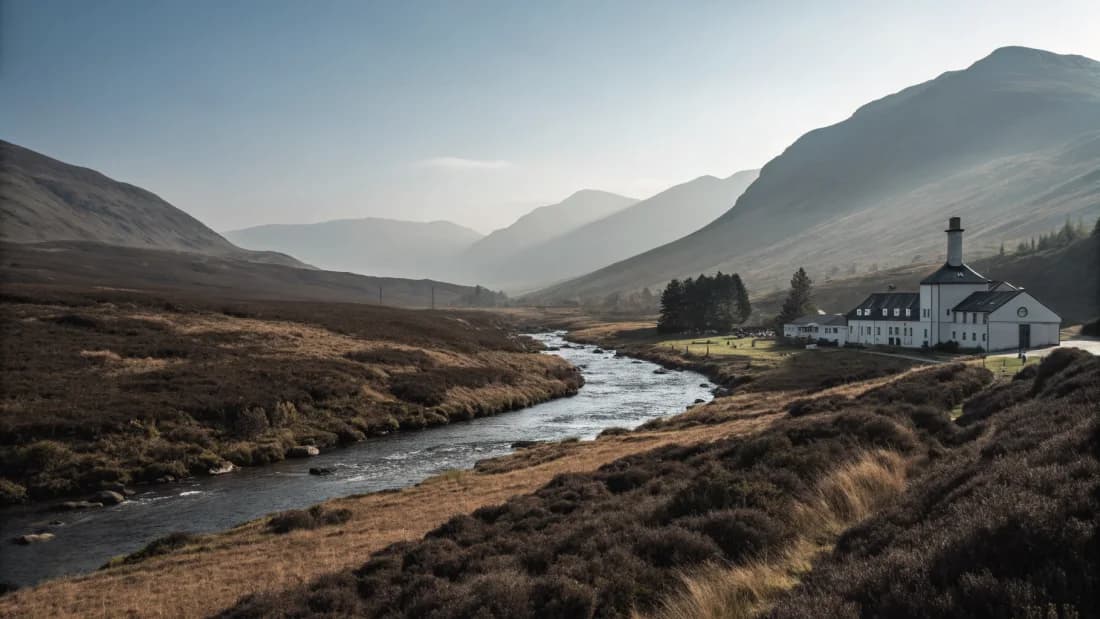
Seven regions, more than 140 working distilleries, and five centuries of craft — from Speyside's orchard-fruit elegance to Islay's peat smoke.
Regions
Speyside
Orchard fruit, honey and sherry oak
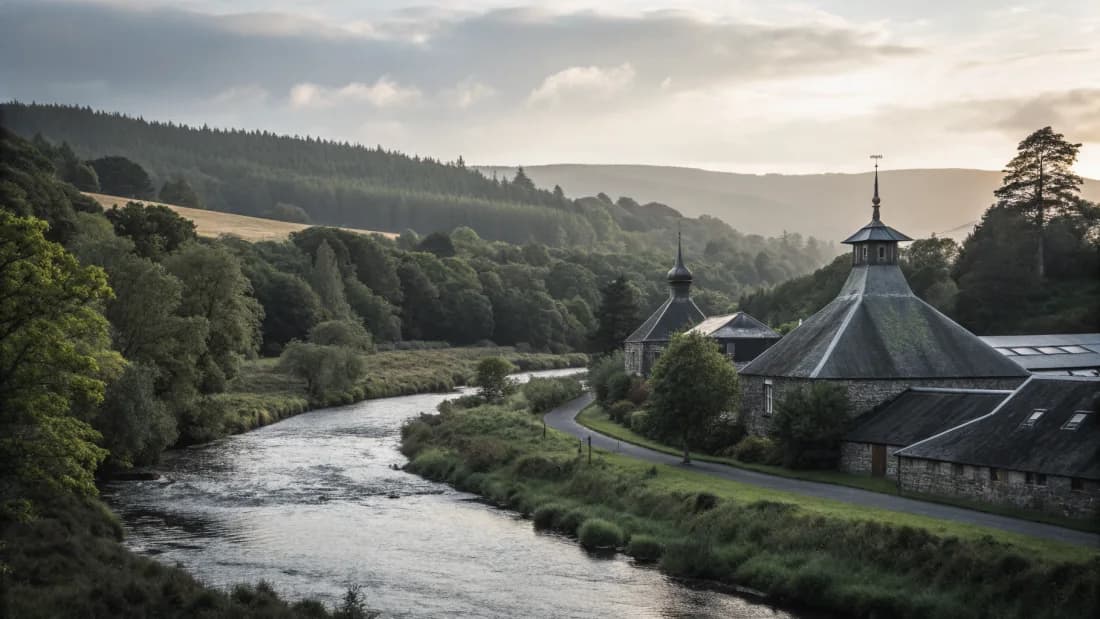
Folded into the glens of the River Spey in Scotland's north-east, Speyside is the densest whisky landscape on earth — around a third of Scotland's distilleries sit within this small region. Its malts made the modern industry: elegant, fruit-forward spirits that take beautifully to sherry casks, from light and grassy to rich and sultana-dark. If a famous single malt name comes to mind, odds are it was born here.
11 distilleries
Highlands
The biggest region, the broadest palette
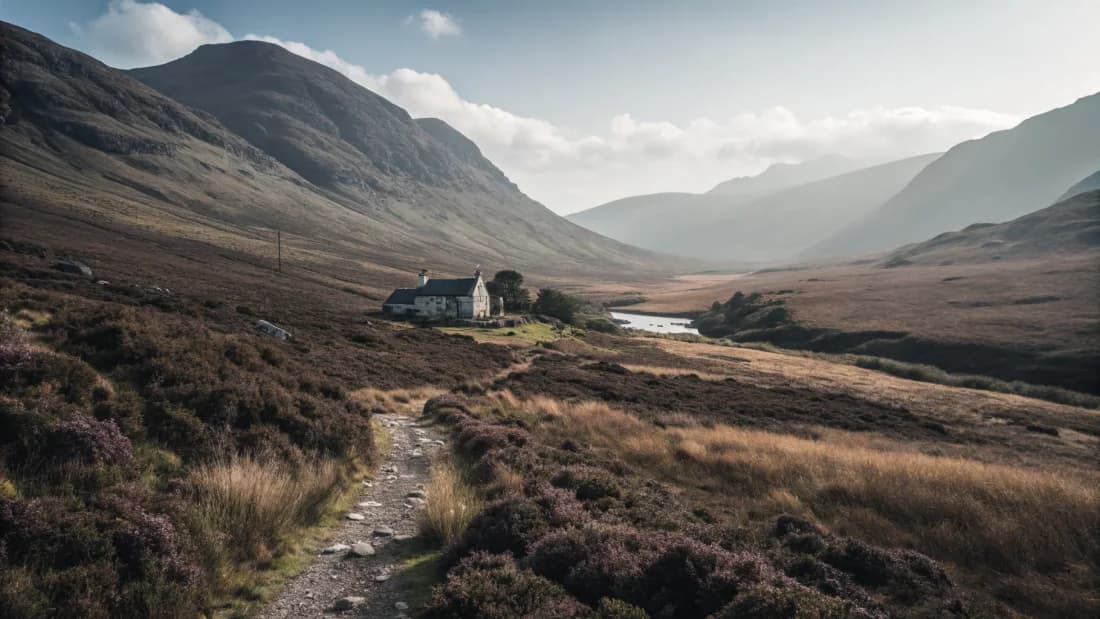
Everything north of the Highland line that isn't Speyside or an island — which makes the Highlands Scotland's largest and least uniform region. Coastal distilleries give faintly maritime, waxy drams; the northern glens produce muscular, full-bodied malts; the south makes gentler, grassier spirit. Generalise at your peril: the Highlands are less a style than a map of styles.
8 distilleries
Lowlands
Soft, light and triple-distilled
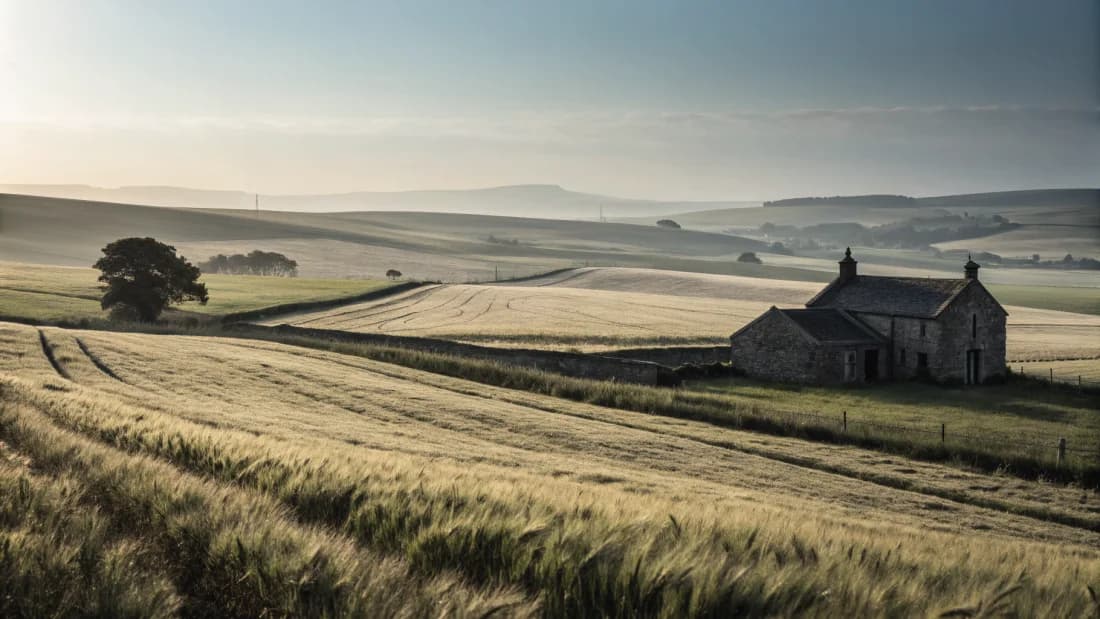
The gentle country south of the Highland line once supplied grain spirit to the world and gave Scotland its softest malts. Traditionally triple-distilled, Lowland whiskies are light, grassy and aperitif-like — 'the Lowland ladies', old merchants called them. After decades of decline the region is booming again, with new distilleries reviving the delicate style around Glasgow and Edinburgh.
4 distilleries
Islay
Peat, smoke and sea spray
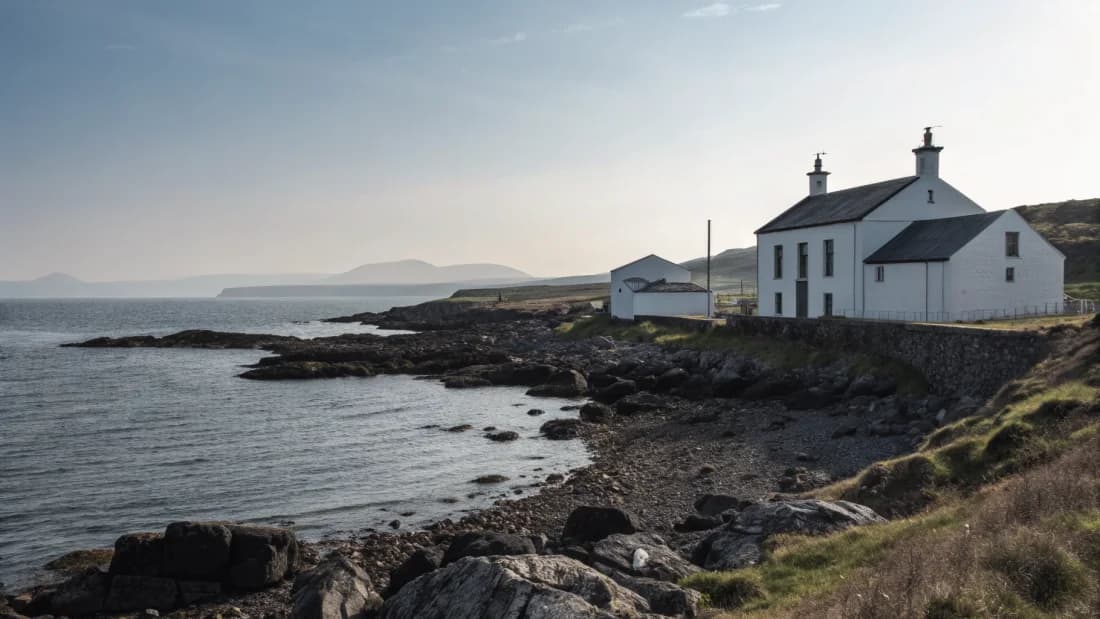
A small Hebridean island with an outsized reputation, Islay is the spiritual home of peated whisky. Malted barley dried over smouldering peat gives its famous southern-shore malts their medicinal smoke — iodine, tar, bonfires on a beach — while the island's gentler distilleries prove Islay can whisper as well as roar. For many drinkers Islay is a conversion experience: the moment whisky stops being a drink and becomes a place.
9 distilleries
Campbeltown
The fallen capital, fiercely revived
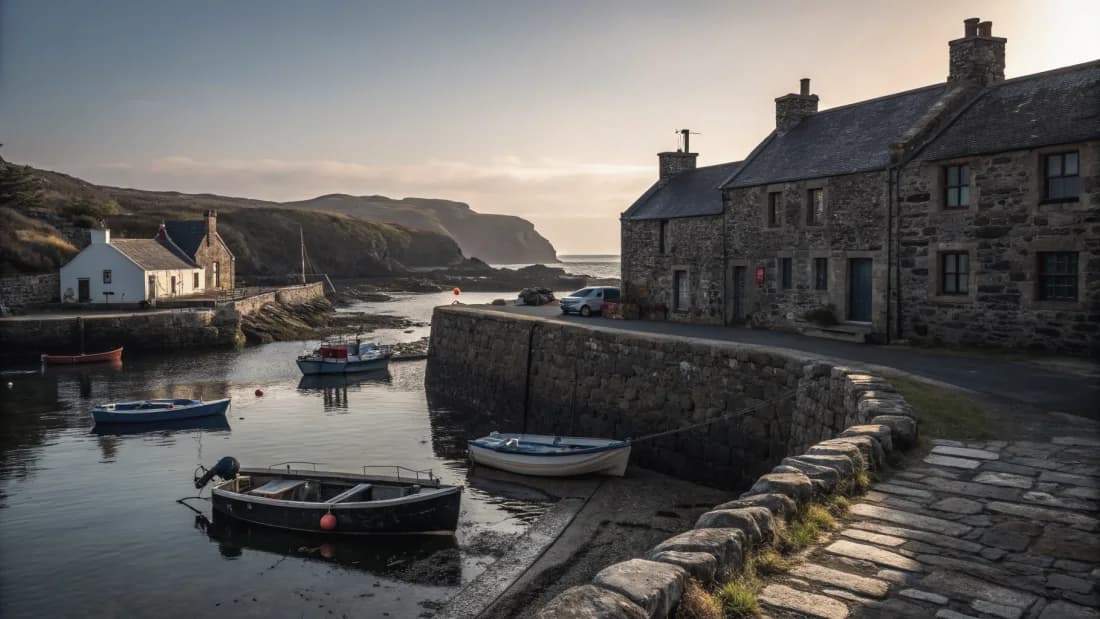
A single town at the foot of the Kintyre peninsula was once the self-styled whisky capital of the world, with over thirty distilleries lighting its harbour. Overproduction and slumping quality nearly killed it — three survived. What remains is treasured: oily, briny, faintly smoky malts with a rugged, old-fashioned character that collectors now chase harder than almost anything in Scotland.
3 distilleries
The Islands
Maritime malts from Arran to Skye
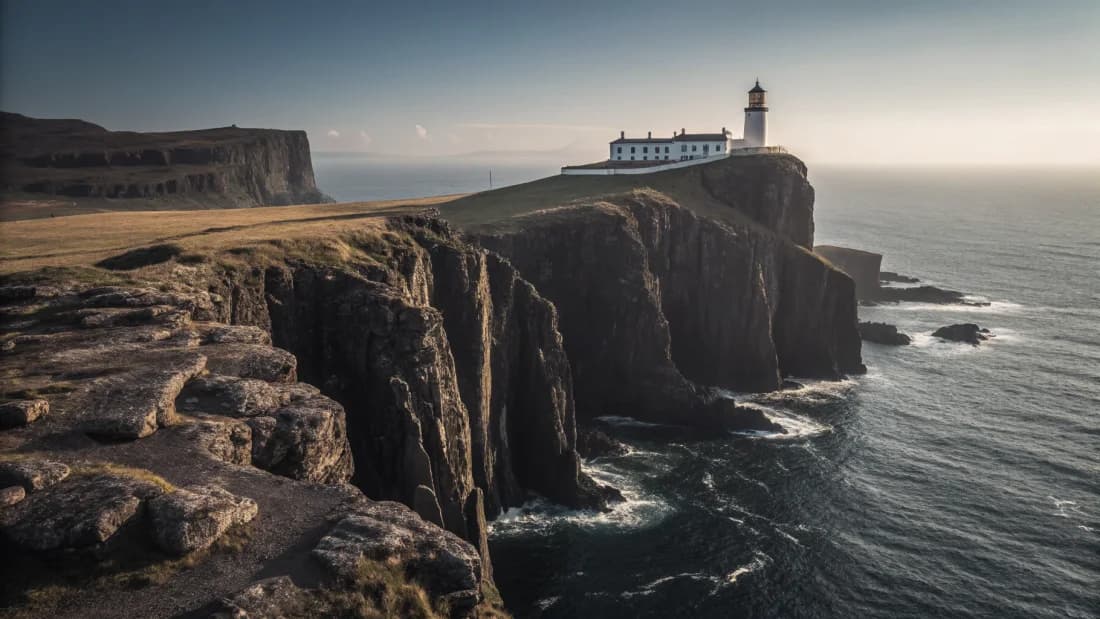
Officially part of the Highlands, unofficially a world of their own: the scattered isles from Arran in the south to Skye in the north-west each make whisky shaped by wind and salt water. Skye gives peppery smoke, Jura and Mull their own quiet accents, Arran a bright modern freshness. No two island malts agree — which is exactly the point.
4 distilleries
Orkney
Heather peat at the edge of the world
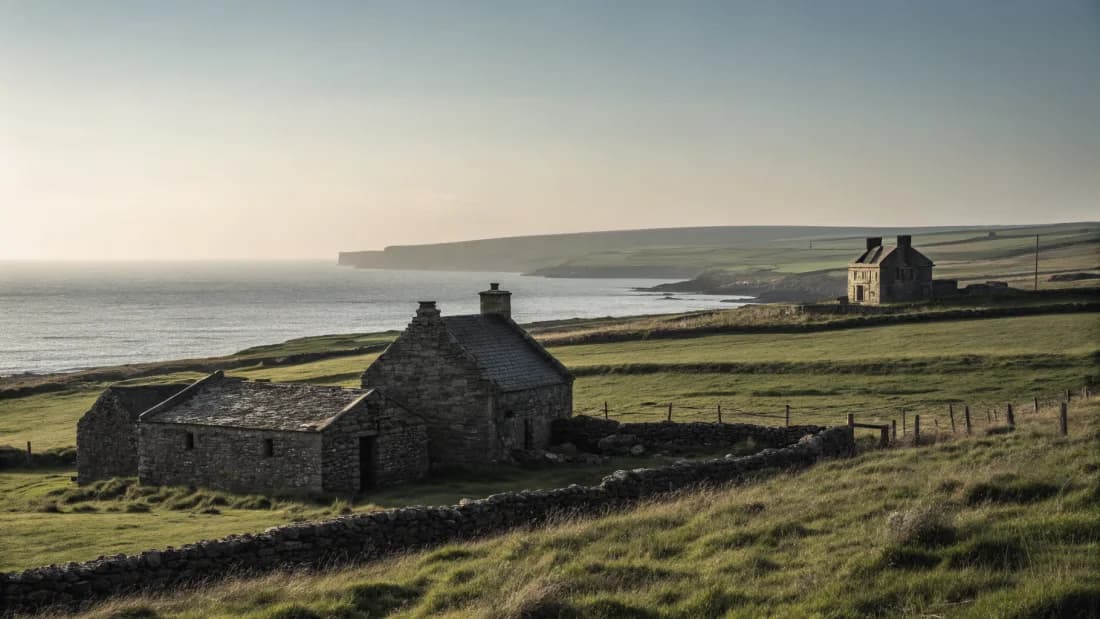
Beyond the Pentland Firth, closer to Norway's orbit than Edinburgh's, the Orkney archipelago makes whisky unlike anywhere else in Scotland. Its treeless moors yield heather-rich peat that burns floral and aromatic rather than medicinal, its Norse centuries echo in every place-name, and its two distilleries — one famous, one quietly excellent — sit a mile apart above Kirkwall harbour, making the northernmost Scotch of all.
2 distilleries
Learn this
Short Academy lessons that cover this.